Pig Roast Event: A Guide to Avoiding Common Pitfalls
The Pig Roast Event is more than just a social gathering—it’s a celebration of community, tradition, and good food. Whether you're hosting a backyard barbecue or organizing a large-scale event for a local group, understanding the logistics and design elements involved can make all the difference in creating a memorable experience. However, many people overlook key details that can impact the success of their Pig Roast Event, from planning to execution.
Understanding the Pig Roast Event
A Pig Roast Event typically involves slow-roasting a whole pig over an open flame or in a smoker, often accompanied by sides, drinks, and music. While the main attraction is the food, the event itself is about bringing people together. For organizers, it's not just about cooking but also about managing the logistics, ensuring guest comfort, and maintaining a clean, organized space.
One of the most common mistakes people make when planning a Pig Roast Event is underestimating the time and effort required. From sourcing the pig to setting up the grill, every step has its own set of challenges. Additionally, many overlook the importance of communication with attendees, leading to confusion about the event schedule, dietary restrictions, or even what to bring.
Designing for Print: Key Specifications for Your Pig Roast Event Materials
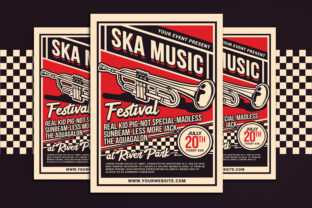
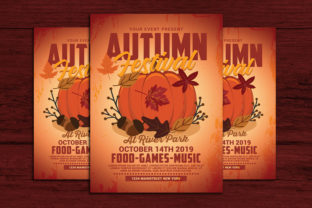
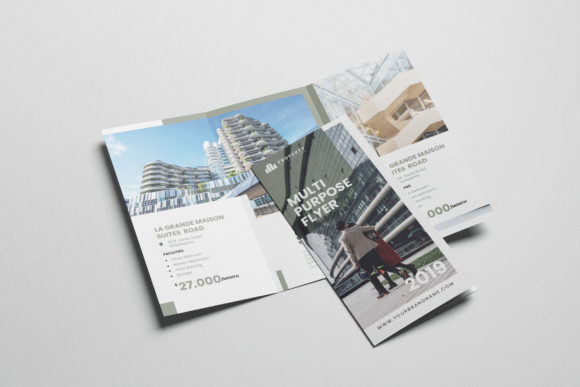
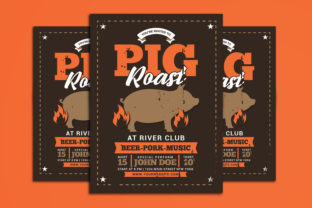
If you're creating promotional materials or event signage for your Pig Roast Event, it's crucial to follow proper design specifications. One popular choice is using PSD files designed for print, such as CS 5 with specific dimensions and resolution settings. These files are tailored for high-quality output and ensure that your designs look sharp and professional when printed.
Dimensions: The standard size for many print materials is 8.27x11.69 inches, which is ideal for posters, flyers, and banners. This size provides enough space for detailed content while remaining manageable for printing purposes.
Resolution: A resolution of 300 dpi (dots per inch) is essential for print. Lower resolutions may result in blurry or pixelated images, which can detract from the overall quality of your event materials. Always ensure that any images or graphics used in your design meet this standard.
Color Mode: When working on print materials, it's important to use CMYK color mode instead of RGB. CMYK is specifically designed for ink-based printing and ensures that colors appear as intended on paper. Using RGB can lead to unexpected color shifts when the design is printed.
Editable Fonts: Choose fonts that are free to use and easily editable. This allows you to make quick changes without worrying about licensing issues or font compatibility. Popular options include Open Sans, Montserrat, and Roboto, all of which are available for free and offer excellent readability.
Layer Organization: A well-organized layer structure makes your design easier to edit and manage. Group related elements together, such as text, background, and graphics, and label each layer clearly. This not only improves workflow efficiency but also helps others who may need to work on the file later.
Common Mistakes in Designing for the Pig Roast Event
Even with the right specifications, many designers make mistakes that can compromise the final outcome. One frequent error is not including bleeds in the design. Bleeds ensure that the edges of your printed material extend beyond the trim area, preventing white borders from appearing after cutting. Failing to include bleeds can result in an unprofessional appearance.
Another mistake is not considering the target audience. If your Pig Roast Event is for adults aged 20–50, your design should reflect that demographic. Use a tone and style that appeals to professionals, entrepreneurs, and hobbyists. Avoid overly childish or outdated visuals that may not resonate with your guests.
Additionally, some designers neglect to test their designs on different devices or print formats. What looks great on a screen may not translate well to print. Always review your design at 100% scale and check for any inconsistencies in color, spacing, or alignment.
Practical Tips for Success
To avoid these common pitfalls, start by outlining your design goals and requirements. Ensure that your PSD file includes all necessary elements, such as text, images, and layout guides. Test your design at various sizes and resolutions to confirm that it maintains its quality and clarity.
When selecting fonts, prioritize readability and versatility. Avoid using too many different typefaces, as this can make your design feel cluttered. Stick to a maximum of two or three fonts to keep your design cohesive and easy to read.
Finally, always proofread your content before finalizing the design. Check for spelling errors, formatting issues, and consistency in branding. A well-prepared design not only enhances the visual appeal of your Pig Roast Event but also reflects professionalism and attention to detail.